Receipt-based rewards: a practical way to drive verified trial (and measure what happened)
Why trial matters
When brands assess how a product is performing in-market, one commonly used lens is trial and repeat.
Trial looks at how many shoppers buy the product at least once.
Repeat looks at whether those shoppers come back and buy again.
This framework doesn’t explain everything, but it’s widely used because it helps separate two different questions:
- Are shoppers willing to try the product?
- Does the product deliver enough value to justify another purchase?
If trial is limited, repeat behaviour can’t meaningfully develop.
For that reason, many in-store tactics are ultimately designed to reduce the barrier to first purchase.
The challenge is that not all trial activity is easy to measure, especially once multiple retailers, SKUs, and promotions are involved.
What receipt-based rewards are
Receipt-based rewards are a form of purchase-gated incentive.
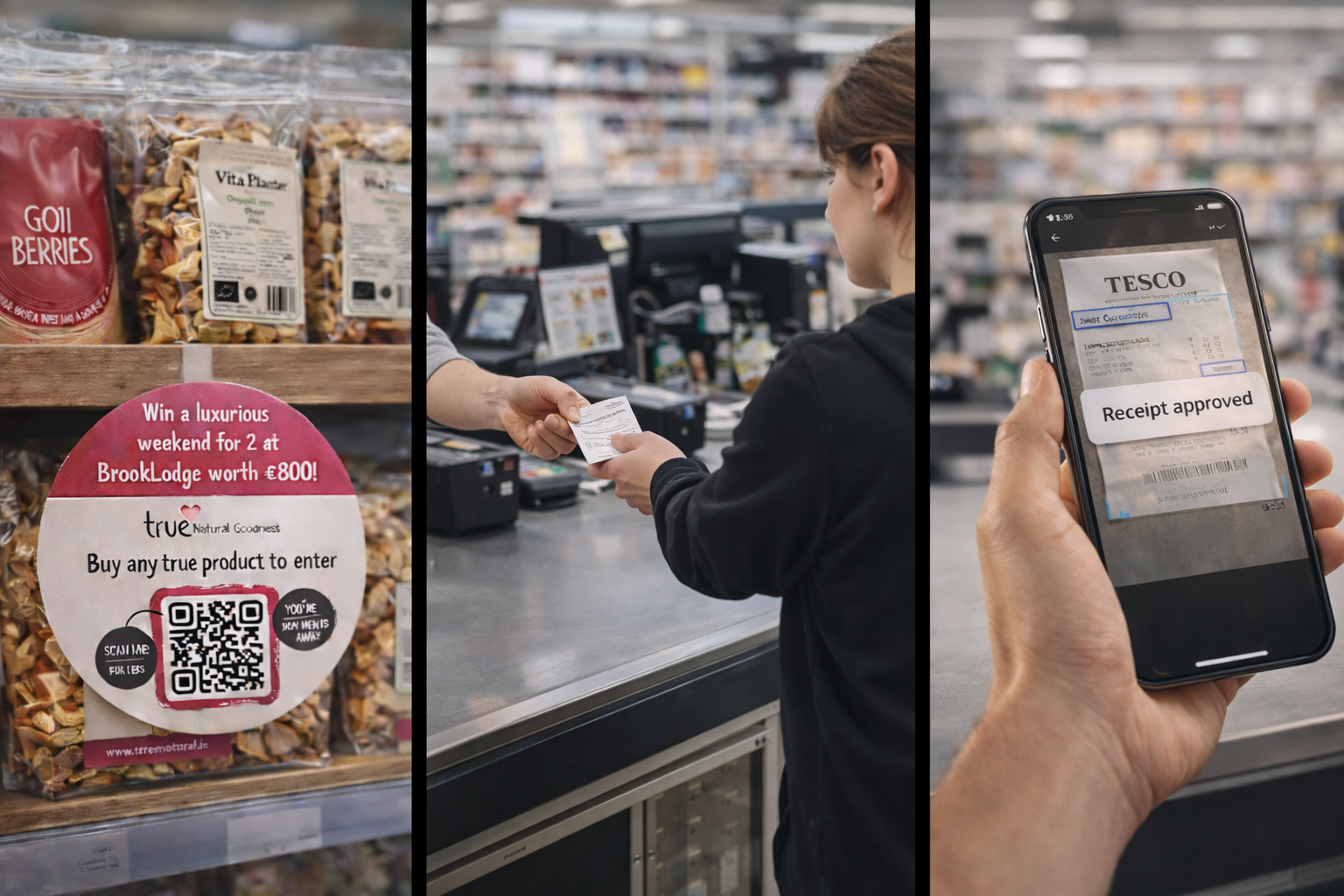
In practice, the flow typically works as follows:
- A shopper buys a product in-store
- They scan a QR code on-pack or on nearby POS
- They upload a photo of their receipt
- If the receipt meets the promotion rules, a reward is issued
For the consumer, the approach is easy. You see an offer at the point of sale or via other marketing channels, you buy the product, you upload your receipt, you receive your reward.
The defining feature is that the reward is conditional on a completed transaction, rather than on interest or engagement alone.
Why receipt-based rewards are useful
Receipt-based rewards are generally used where brands want a clearer connection between an in-store purchase and the outcome of a promotion.
They don’t replace other trial tactics, but they address several practical limitations.
Verified purchases
Because eligibility is based on receipt upload, rewards are issued only where a purchase has taken place.
This avoids rewarding scans, clicks, or sign-ups that aren’t tied to a transaction, and helps focus spend on confirmed buyers.
More concrete measurement
Once receipt submission is the trigger, outcomes can be reviewed using defined criteria, such as:
- the number of approved receipts
- the stores products were bought in
- the promotional time window
- the products and rules that were eligible
- the channel that drove the sale (meta/google ads/shelf talkers/FSDU displays)
Receipt-processing platforms are designed around purchase validation and extracting structured information from receipts for rebate and reward programmes.
This doesn’t establish incrementality on its own, but it does provide a clearer reference point than relying solely on post-promotion sales movement.
Clear value exchange at shelf
From a shopper’s perspective, the proposition is straightforward:
buy the product, then claim something in return.
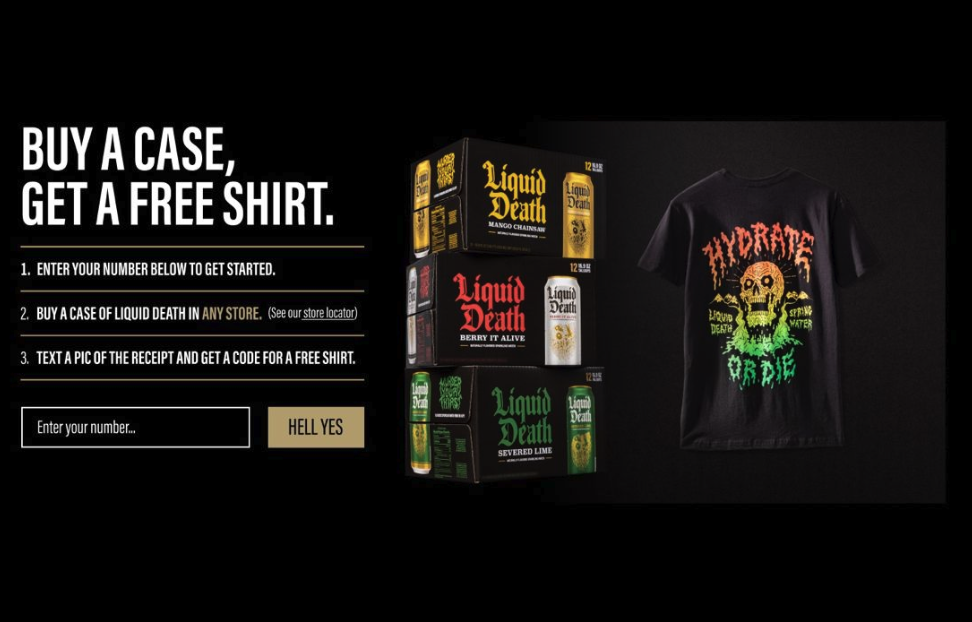
In categories where options are similar, a clearly communicated reward can help simplify the decision at the point of purchase. It also allows brands to creatively stand out on the shelf, with rewards that are both lucrative and exciting for the shopper (see Liquid Death example below).
How it’s used in FMCG
Below are three of the most common, practical ways brands use receipt-based rewards.
1) Trial incentives without changing shelf price
Instead of discounting on shelf, the reward is delivered after purchase.
How it’s used
- Cashback or digital vouchers issued after receipt validation
- Merchandise or accessories given when purchase is validated (see liquid death example above)
- Limits per person or household to focus on first-time buyers
- Can run across multiple retailers where receipt proof is accepted
Example
A new snack brand runs “Try it today, claim €2 back” on-pack.
Shoppers scan the QR, upload their receipt, and receive a payout once validated.
Or, another proven method is to encourage customers to purchase the product in exchange for an entry into a competition.
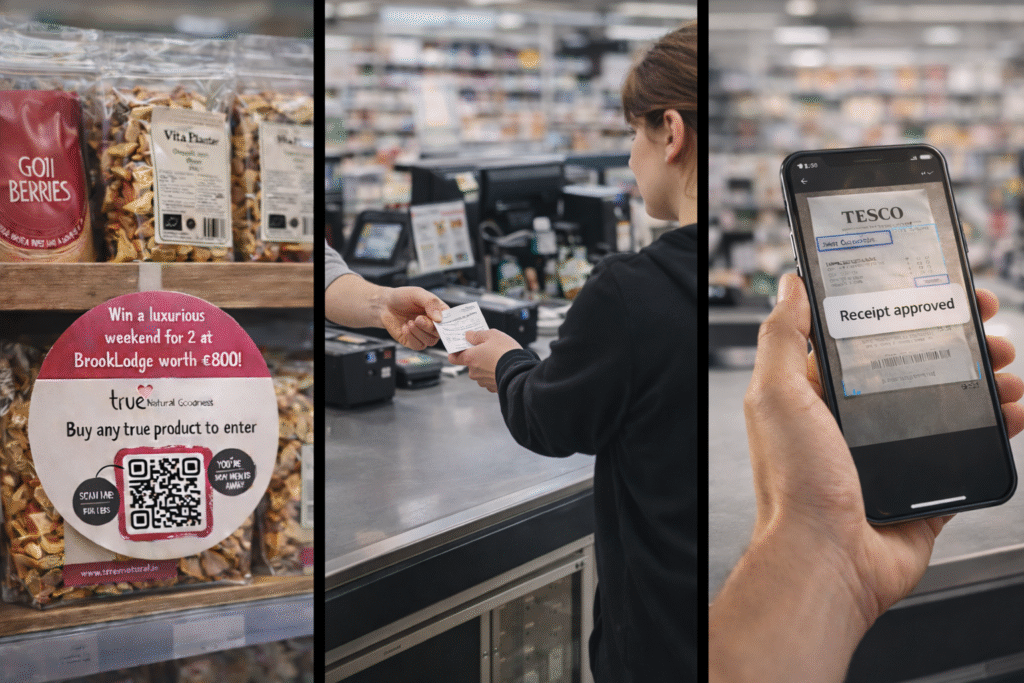
(Fig 1.1: IIHealth Foods receipt based rewards activation saw a 7% sales uplift in promotion period)
2) Purchase-gated competitions (“scan, snap, win”)
Competitions remain familiar to shoppers, but receipt-gating ties entry to a real purchase.
How it’s used
- Receipt upload required to enter
- One entry per approved receipt
- Clear eligibility rules shown before submission
Example
“Buy any 2 packs, scan to enter.”
Each validated receipt unlocks a single competition entry.
NOTE: Purchase gated competitions are deemed a lottery in the UK and therefore not recommended.
3) Post-purchase surveys and retargeting verified buyers
Receipt validation ensures data, emails, feedback and survey responses come from people who actually bought the product.
How it’s used
- Short survey shown after receipt approval
- Ask customers to opt in for email follow-up
- Responses tied to the promotion window and product rules
- Optional follow-up only where consent is given
Example
After receipt approval, the shopper answers a 20-second survey on taste, value, and likelihood to repurchase. They share their email address for future follow-up, and both the feedback and email get automatically routed to an analytics dashboard and your CRM/email sending tool.
From there, the brand can now follow up with people who’ve verifiably purchased their products:
- Targeted repeat-purchase offers
- Subscription prompts
- Product education
- Segmented email journeys
You can set automations like this up in your email sending platform. Instead of just running a one-off promotion, you’re now building LTV and encouraging customers to repeatedly purchase or interact with your brand.
4) Closing
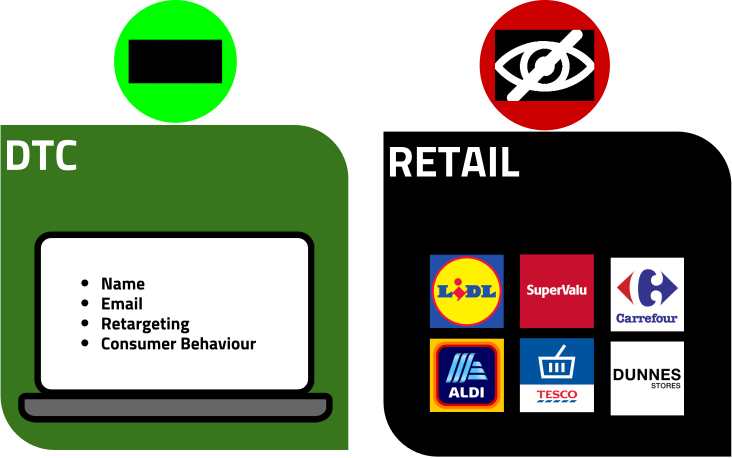
Receipt-based rewards are one of the only practical ways to clearly connect marketing spend to verified in-store sales. At the same time, you’re unlocking first-party data from retail shoppers brands typically have no direct relationship with.
Done properly, it’s a sales mechanic and audience-building tool.
If you’re exploring this route, think beyond basic rewards. Make the experience compelling and make sure your receipt validation and fraud controls are solid, tested, and built to scale.
If you’re pressure-testing ideas or want a second set of eyes on a concept, we’re always happy to have a conversation.