8 QR Code Opportunities for 2026
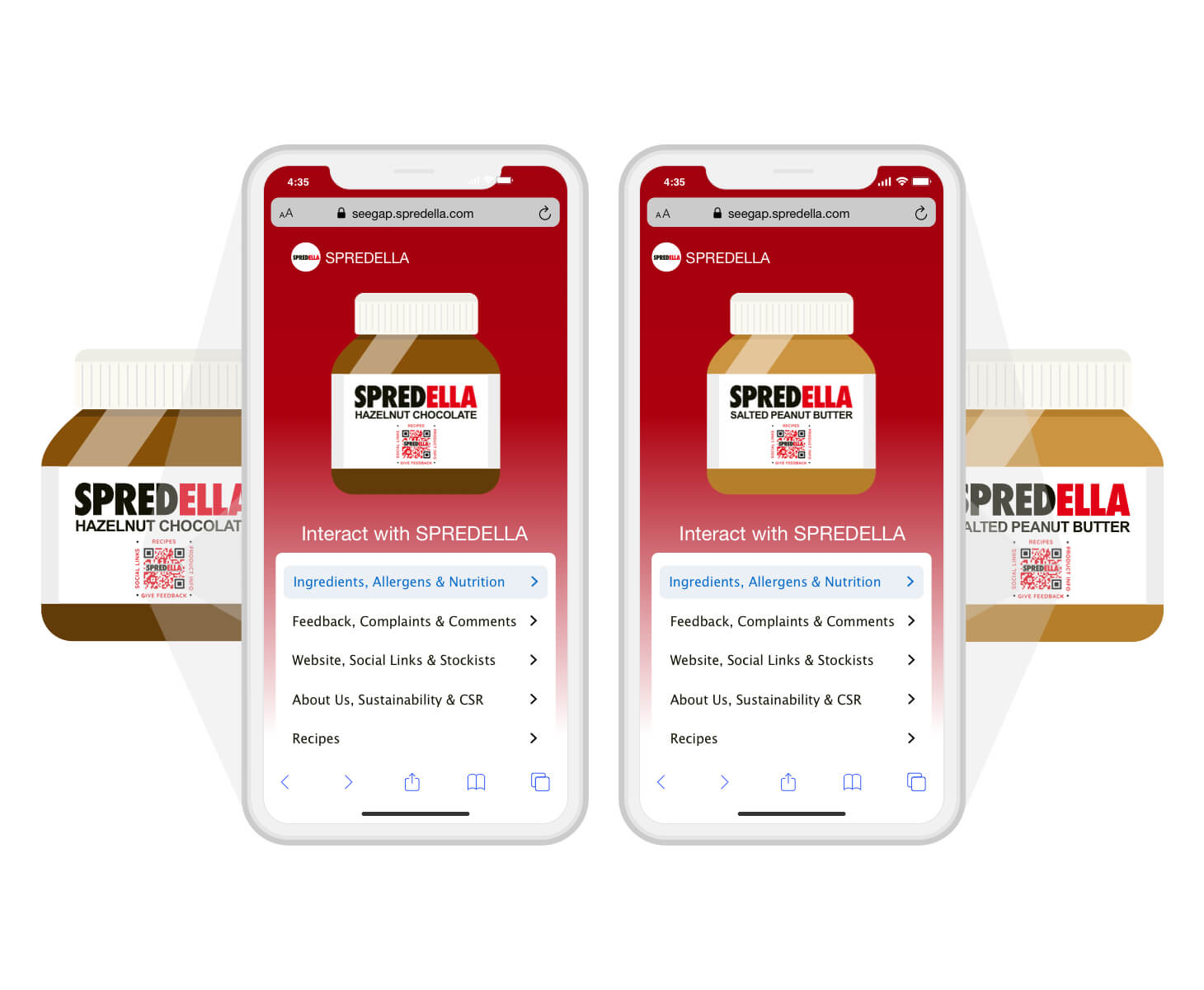
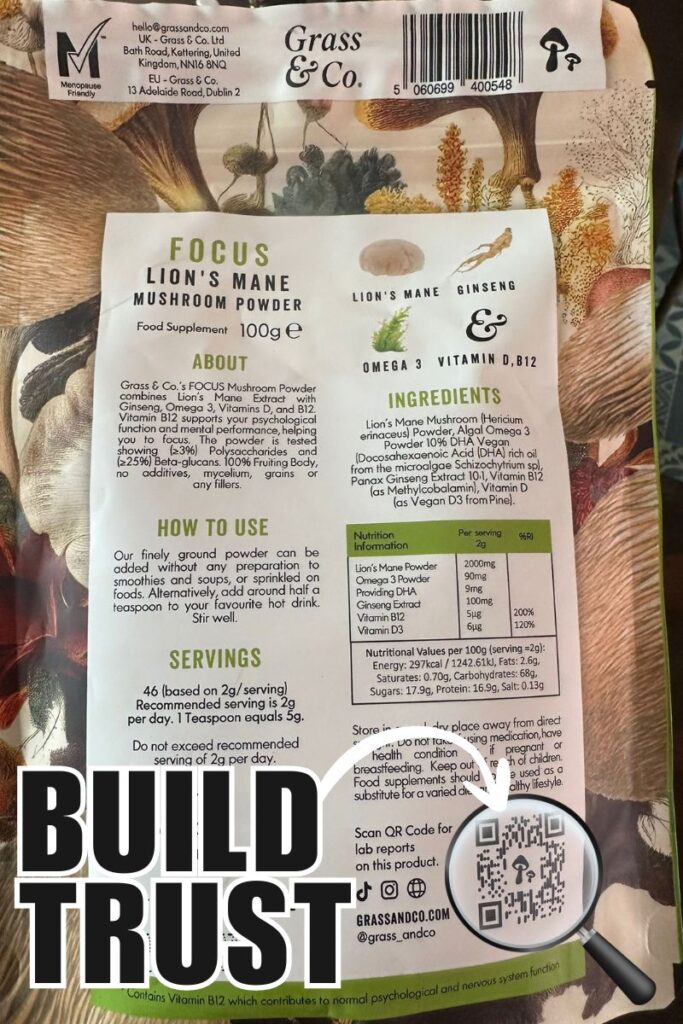
With a simple QR code, FMCG brands can turn everyday packs into a dynamic channel that educates shoppers, captures insight, and drives measurable growth after the purchase.
Bold statement? Maybe. But by the end of this post you’ll see just why we’re so bullish on QR codes.
Here’s some of the opportunities QR codes can give FMCG brands:
- Build stronger brand preference through storytelling and proof
- Drive trial and discovery of existing or newly launched products
- Capture SKU-level feedback and survey insight at scale
- Grow compliant, first-party CRM audiences as 3rd party cookies continue to depreciate
- Increase repeat purchase with better post-purchase engagement
Every brand is different, so creativity is encouraged. If you’ve got a specific idea you want to get a second opinion on, feel free to reach out to us.
1) Brand storytelling: when the pack runs out of space
FMCG packaging has a simple constraint: you can’t fit the full story on a label. There’s only so much real estate on that package to communicate the important information you want your consumers to know.
A QR code gives you a clean way to expand the “why buy this” or “why buy this again” message without cluttering the pack—especially in categories with complex benefits or trust requirements.
How it’s used in FMCG
- Deep benefit proof (e.g., supplements linking to ingredient explainers and evidence pages)
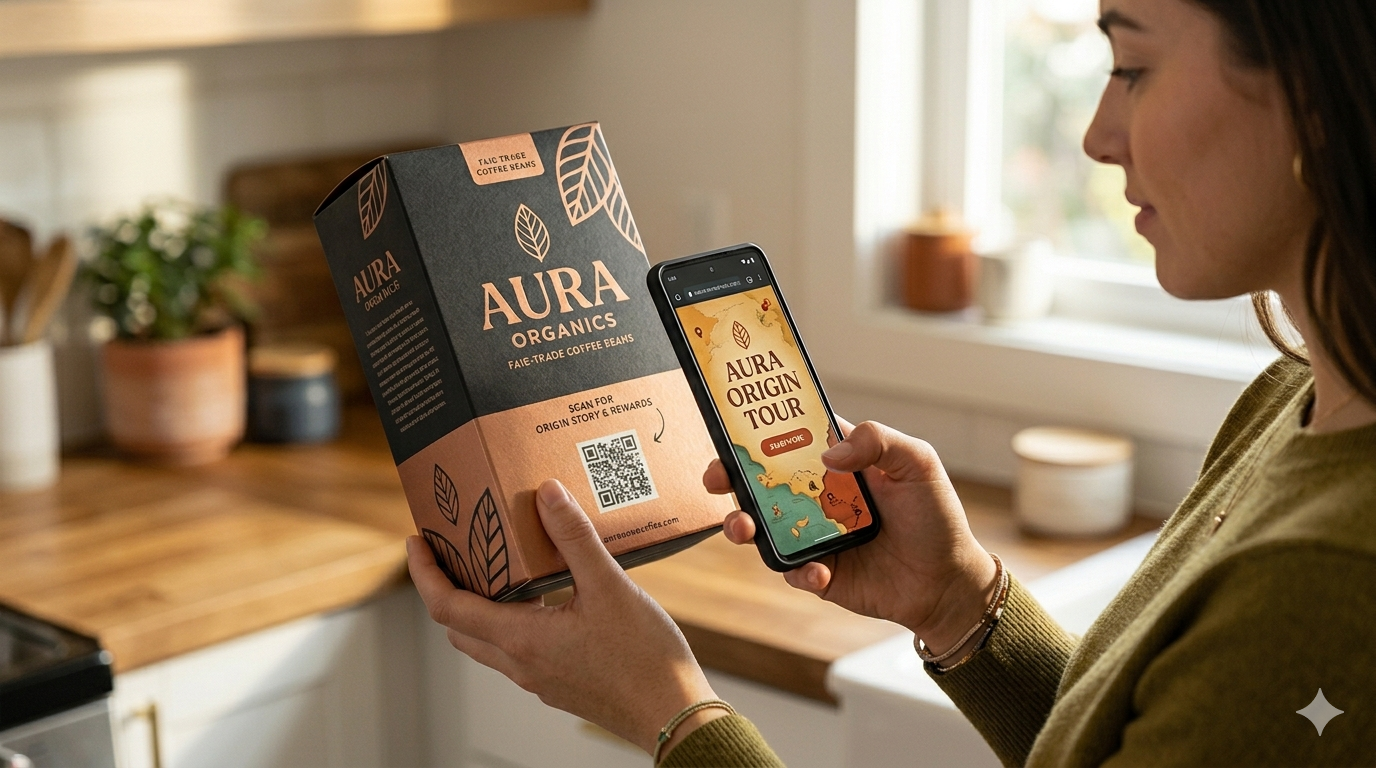
- USP storytelling (origin, process, sourcing, founder story)
- Range discovery (the scanned SKU becomes the entry point to the full portfolio)
Example
A supplement brand prints “Scan for the science” on-pack. The QR code routes to a mobile page with simple benefit explanations, citations, and “what to pair this with” cross-sell recommendations.
2) Customer feedback: the fastest way to catch issues before they spread
Most unhappy shoppers don’t fill out go to a brands website, find the “give feedback page” and fill out a form. They just switch.
That’s why feedback needs to be frictionless, immediate, and tied to the exact product variant (SKU, flavour, format) the shopper bought. Industry research consistently shows high switching intent after negative experiences. (Zendesk)
How it’s used in FMCG
- SKU-level issue detection (taste, texture, packaging faults, damaged goods)
- Retailer/market pattern spotting (problems clustered by store group or region)
- Service recovery (capture contact info to follow up and retain)
Example
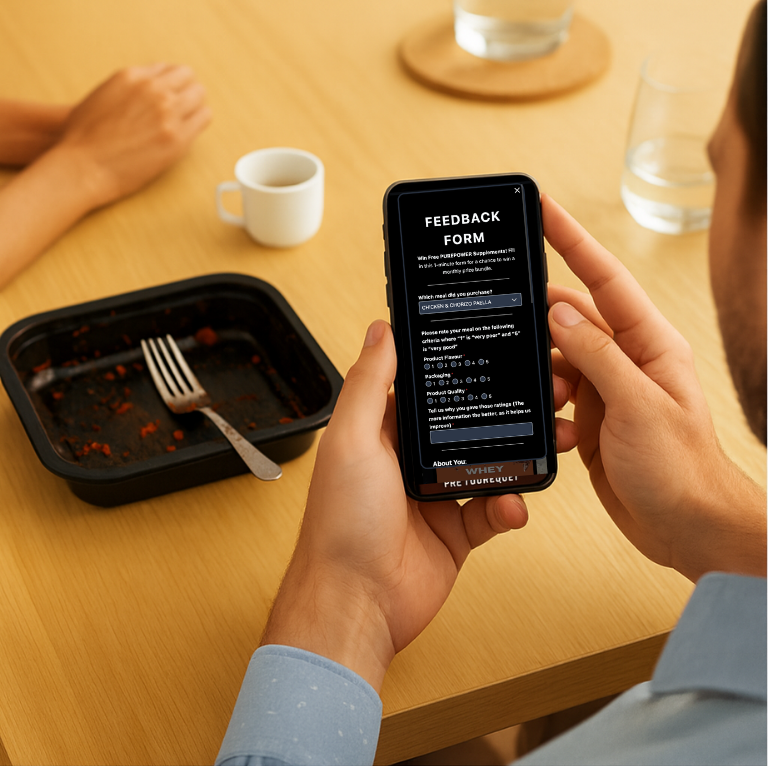
A chilled food brand adds “Tell us how it was” beside the QR. Shoppers tap a 10-second feedback flow. Feedback immediately gets sent to a dashboard tied to the specific SKU, and negative ratings or responses are automatically flagged. The brand monitors responses in real time, flags spikes by SKU/retailer and reaches back out to the consumer to try and find out more information or rescue the relationship.
Think of this as an “always-on” consumer experience tool across every product, in every home, or retail store.
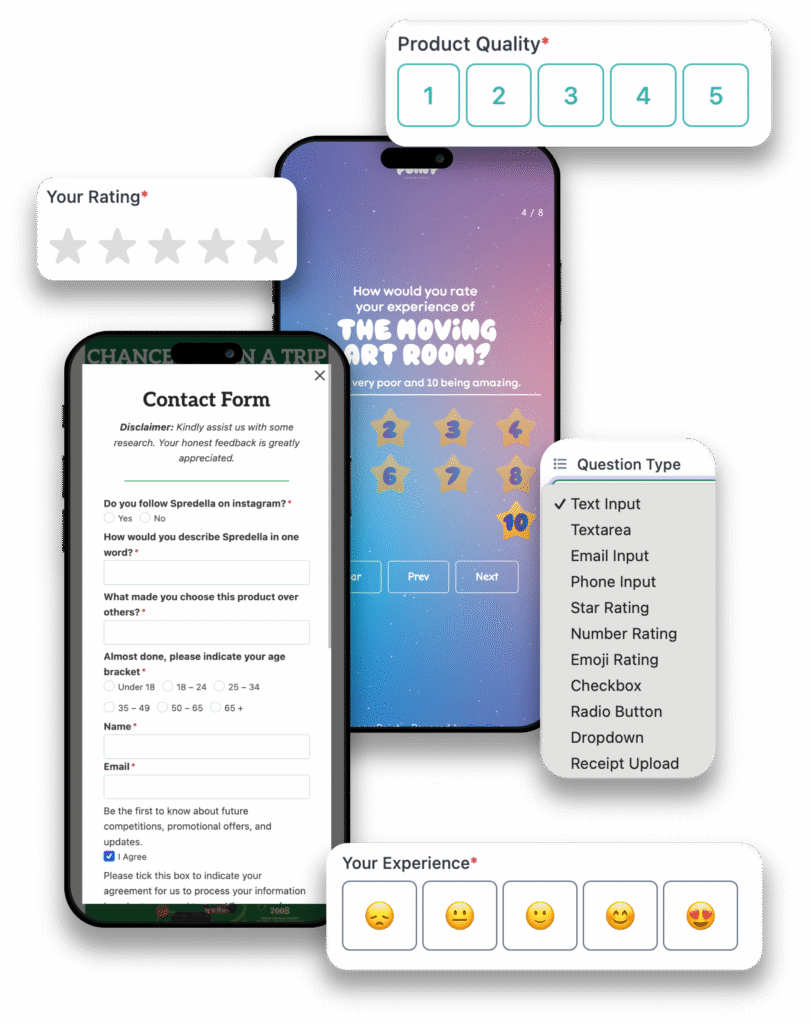
3) Surveys: retail insight without panels, at scale
Retail shoppers are notoriously hard to reach after purchase, especially across multiple retailers.
On-pack surveys turn the pack into a persistent research channel: every unit shipped is a potential response, and every submission can be tied back to the SKU, retailer and market.
How it’s used in FMCG
- Purchase drivers (why they chose it today)
- Repurchase intent (likelihood to buy again)
- Preference mapping (favourite flavours, formats, consumption occasions)
- Innovation input (new flavour ideas, pack sizes, product line extensions)
Example
A beverage brand runs a “Help pick the next flavour” survey. Responses are segmented by SKU and region to guide NPD and retailer-specific ranging decisions.
Unlike traditional consumer panels, QR code based surveys can get you quick and immediate responses for those high-level questions you want answered. Panels definitely still hold their place, but think of this as an additional tool to add to your tool belt.
4) Gamification: turn a scan into a brand moment
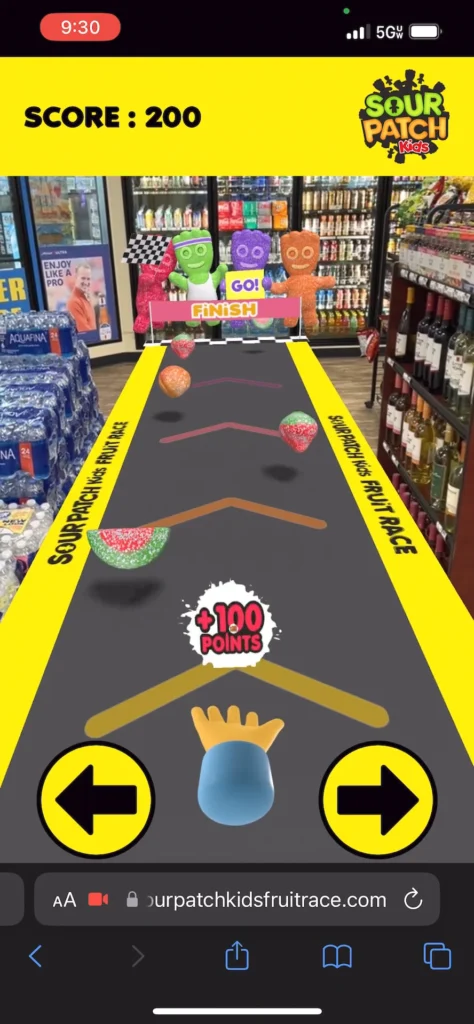
If you want dwell-time, recall, and shareability, gamification consistently outperforms static content.
The point isn’t “fun for fun’s sake.” It’s using a game mechanic to keep attention long enough to land the message and to create a repeatable reason to scan again.
How it’s used in FMCG
- Quick wins (spin-to-win, scratch card, instant reveal)
- Brand learning (trivia that teaches the USP while entertaining)
- Seasonal bursts (holiday packs, limited editions, retailer activations)
Example
A cereal brand runs “Scan to play” on-pack: a 20-second game + a prize draw entry. The game subtly reinforces the brand’s nutrition or ingredient differentiator.
5) First-party data: build audiences as third-party data gets less reliable
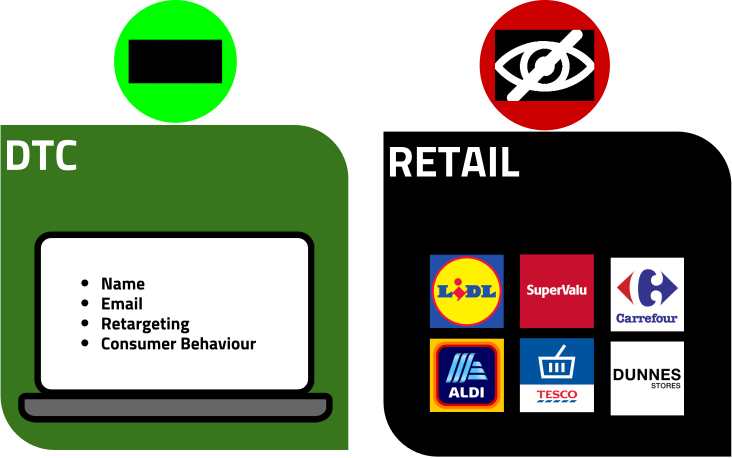
Across the industry, advertisers have been preparing for reduced reliance on third-party cookies and more privacy-centric browser controls making first-party, consented audiences more valuable. (Privacy Sandbox)
QR codes provide a straightforward exchange: value for the shopper (content, entry, reward) in return for permission-based data capture.
How it’s used in FMCG
- Email/SMS capture tied to a real product interaction
- Audience building for launches, promos, replenishment nudges
- Retargeting foundations using consented first-party lists
Example
A snack brand gates competition entry with email opt-in. The result is a growing CRM list of retail buyers who can be re-engaged for future drops.

6) Product education & usage: reduce friction after the purchase
Some products need a little guidance to deliver the best experience. For example, new formats, functional products, or multi-step usage.
QR codes let FMCG brands deliver “how to get the most out of this” content at the exact moment the shopper is holding the product.
How it’s used in FMCG
- How-to videos (prep, serving, routines, usage tips)
- Recipes and pairings (food and beverage)
- Founder/brand voice moments (short thank-you + guidance)
Example
A sauce brand routes to a 30-second founder video + three quick recipe ideas. The founder thanks the user for the purchase and adds a personal touch to the consumer’s experience. Consumers are more likely to use it correctly, enjoy it, and repurchase.
7) Receipt-based rewards: incentivise trial without discounting the shelf
Acquiring a new customer can cost up to seven times more than retaining an existing one. It’s for reasons like this, driving trial and discovery of consumer products is a key priority for most FMCG brands.
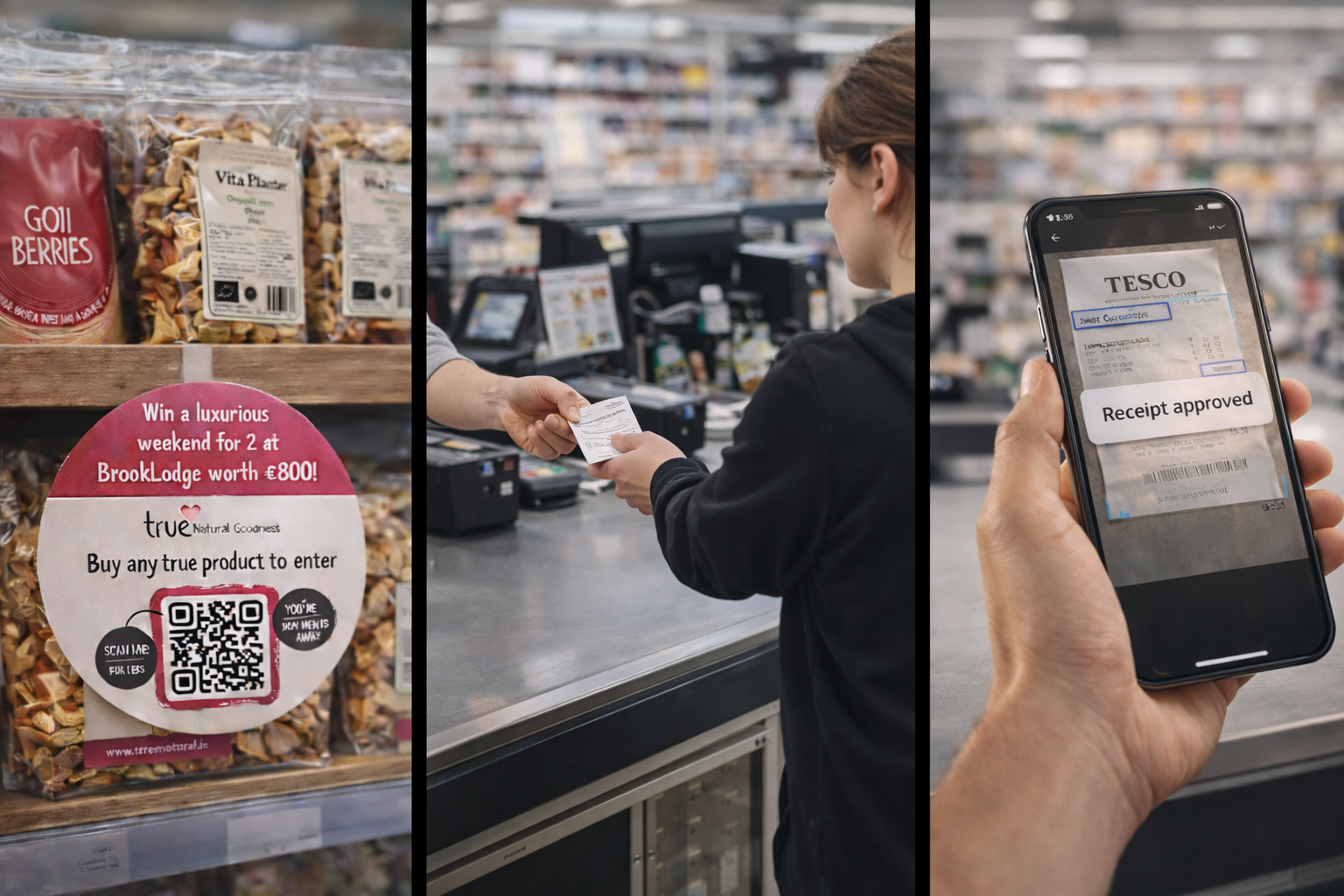
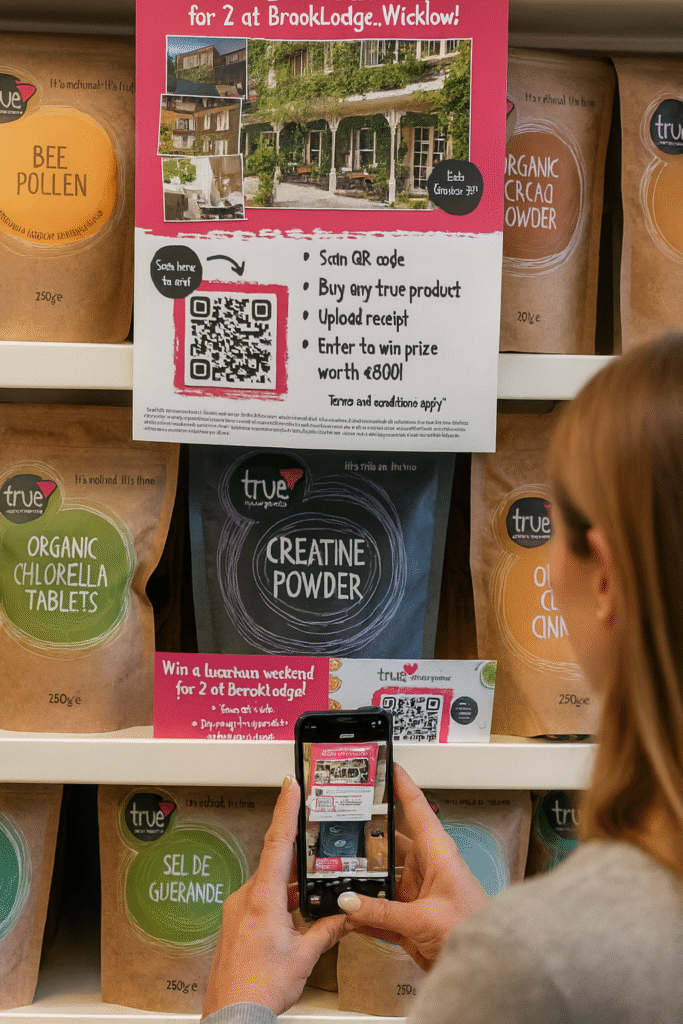
Receipt-based rewards help with this. The shopper scans the QR code on-pack or in-store, uploads a receipt to prove purchase, and gets an instant reward. The brand only pays or rewards consumers when a real transaction happens.
How it’s used in FMCG
- Trial incentives (cashback, digital vouchers, or discounts for verified first-time buyers)
- “Scan, snap, win” activations (buy in-store, scan the QR, upload a receipt, receive an instant reward or prize entry)
- Verified purchase-led data capture (confirm real buyers, collect first-party data, and trigger post-purchase surveys tied to the exact SKU and retailer)
Example
A new snack brand launches “Try it, get €2 back” on-pack. Shoppers scan the QR, upload their receipt, and receive a digital reward within minutes. The brand captures verified trial data by SKU and retailer, identifies which stores drive the most first-time buyers, and retargets those shoppers with a follow-up offer to drive repeat purchase.
8) AI agents: interactive product experiences (without long forms)
Instead of static pages, brands can deploy conversational experiences where shoppers ask questions, get personalised guidance, and give richer feedback without the friction of long survey forms or scrolling through web pages.
How it’s used in FMCG
- Product Q&A (ingredients, allergens, usage, routines)
- Guided feedback (AI asks smart follow-ups when something is wrong)
- Conversational surveys (more depth, higher completion)
Example
A supplement pack launches “Ask the product” via QR. Shoppers can ask about benefits, timing, or pairing, whilst the the experience gently captures an email opt-in for ongoing education.
How to emulate these use cases in FMCG
- Start with one objective (trial, repeat purchase, insight, CRM growth).
- Choose the scan driver (prize, value content, instant reward, quiz, AI help).
- Design the on-pack call-to-action so it’s obvious, specific, and incentive-led.
- Build a mobile-first flow that completes in under a minute.
- Tie every interaction back to the SKU (so insight and ROI are usable).
- Measure and iterate (A/B test CTA, incentives, and flow steps).
How SeeGap delivers this (objectives-first, measurable, and always-on)
SeeGap is built to help FMCG brands run these use cases as a system and not one-off QR pages.
- Objectives-first design: You start with the commercial outcome (trial, repeat, insight, CRM), and the experience is built around that outcome.
- Right mechanic for the job: Competitions, receipt scanning, surveys, feedback, gamification, cross-sell flows, and AI-led experiences are assembled to maximise scans and completions for retail shoppers.
- Advanced real-time analytics: Monitor scan-to-completion performance, feedback trends, and survey results as they come in.
We handle everything, so you can remain focused on what you do best.